The 18-Wheeler “Black Box”: Uncovering the Truth in Fatal Truck Wrecks
How modern truck data technology is transforming wrongful death investigations in Alabama.
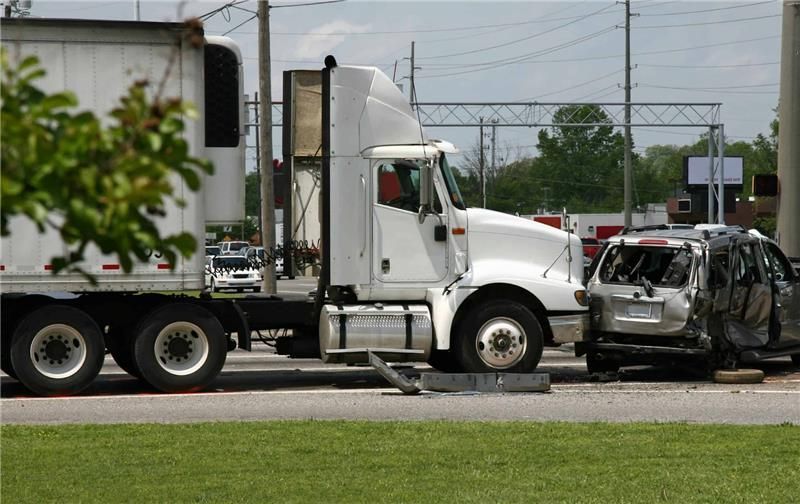
Fatal accidents involving 18-wheelers are among the most devastating crashes on Alabama roads. Due to the size and weight of commercial trucks, collisions often result in catastrophic or fatal injuries. In the aftermath, grieving families are left searching for answers—what happened, who was at fault, and whether the crash could have been prevented.
In 2026, one of the most critical sources of truth in fatal truck wreck investigations isn’t found on the roadway—it’s inside the truck itself. Advanced digital tracking systems, including Electronic Logging Devices (ELDs) and Event Data Recorders (commonly called “black boxes”), now play a central role in determining liability.
Understanding how this data works—and how quickly it can disappear—is vital for families considering a wrongful death claim.
What Is a Truck’s “Black Box”?
Most commercial trucks today are equipped with an Event Data Recorder (EDR), similar to those used in aircraft. This device captures operational data before, during, and after a crash.
Black box data may include:
- Vehicle speed
- Brake application
- Throttle position
- Steering input
- Engine performance
- Seatbelt usage
- Crash force impact
This information helps reconstruct the moments leading up to a collision with remarkable accuracy.
The Role of Electronic Logging Devices (ELDs)
In addition to black boxes, federal law requires most commercial trucks to use Electronic Logging Devices. ELDs track:
- Driving hours
- Rest breaks
- Duty status
- Route history
These logs are essential in determining whether a driver violated Hours-of-Service regulations—rules designed to prevent fatigue-related accidents.
Driver fatigue remains one of the leading causes of fatal trucking crashes nationwide.
How Data Proves Negligence
Digital truck data can uncover critical evidence such as:
Driver Fatigue
ELD records may reveal a driver exceeded legal driving limits or falsified rest logs.
Speeding
Black box data can confirm whether the truck was exceeding safe speeds before impact.
Brake Failure or Mechanical Issues
Maintenance neglect or delayed brake application may indicate trucking company liability.
Sudden Maneuvers
Steering and throttle data can show reckless or evasive driving behavior.
This digital evidence often becomes the foundation of wrongful death litigation.
Why Acting Quickly Is Critical
Unlike physical crash evidence, digital truck data is not stored indefinitely. In many cases:
- Data may be overwritten
- Devices may be reset
- Records may be deleted under company retention policies
That’s why attorneys often issue a spoliation letter immediately after a fatal crash.
What Is a Spoliation Letter?
A spoliation letter is a formal legal notice sent to the trucking company instructing them to preserve all evidence related to the crash.
This includes:
- Black box data
- ELD logs
- Maintenance records
- Driver qualification files
- Dispatch communications
Failure to preserve this data after notice can lead to legal penalties.
Trucking Company Liability in Fatal Accidents
Responsibility may extend beyond the driver. Trucking companies can be held liable for:
- Negligent hiring practices
- Inadequate driver training
- Failure to maintain vehicles
- Encouraging unsafe delivery schedules
Investigating corporate policies often reveals systemic safety failures.
Why Truck Wreck Cases Differ From Car Accidents
Fatal truck accident claims are more complex because they involve:
- Federal transportation regulations
- Corporate defendants
- Multiple insurance carriers
- Technical data analysis
This complexity makes early legal investigation essential.
Seeking Justice Through a Wrongful Death Claim
Under Alabama law, wrongful death damages are punitive—meant to punish wrongdoing and deter future negligence.
Black box and ELD data often play a decisive role in proving the level of misconduct involved.
Final Thoughts
When a fatal 18-wheeler crash occurs, the truth is often locked inside digital systems controlled by the trucking company. Acting quickly to preserve and analyze this data can mean the difference between unanswered questions and accountability.
For families seeking justice, understanding the role of black box evidence is a powerful first step. If you’ve lost a loved one in a fatal truck accident, you don’t have to navigate the legal process alone. Our team is here to help you understand your rights and pursue accountability.
Call Matt Matthews Attorney at Law today at (334-398-8408) for a confidential consultation.
Disclaimer:
The information you obtain at this site is not, nor is it intended to be, legal advice. You should consult an attorney for advice regarding your individual situation. We invite you to contact us and welcome your calls, letters, and electronic mail. Contacting us does not create an attorney-client relationship. Please do not send any confidential information to us until such time as an attorney-client relationship has been established. These recoveries and testimonials are not an indication of future results. Every case is different, and regardless of what friends, family, or other individuals may say about what a case is worth, each case must be evaluated on its own facts and circumstances as they apply to the law. The valuation of a case depends on the facts, the injuries, the jurisdiction, the venue, the witnesses, the parties, and the testimony, among other factors.
With offices located in downtown Montgomery, The Law Office of Richard F. Matthews, Jr. serves Montgomery County, Pike County, Elmore County, Autauga County, the River Region of Alabama, and throughout the State of Alabama, including Montgomery, Troy, Wetumpka, Prattville, Selma, and Tuskegee. No attorney-client relationship is established by requesting a consultation or emailing Attorney Richard F. Matthews, Jr. Information submitted in such communication is not privileged and may be subject to disclosure.
The information you obtain at this site is not, nor is it intended to be, legal advice. You should consult an attorney for advice regarding your individual situation. We invite you to contact us and welcome your calls, letters and electronic mail. Contacting us does not create an attorney-client relationship. Please do not send any confidential information to us until such time as an attorney-client relationship has been established. These recoveries and testimonials are not an indication of future results. Every case is different, and regardless of what friends, family, or other individuals may say about what a case is worth, each case must be evaluated on its own facts and circumstances as they apply to the law. The valuation of a case depends on the facts, the injuries, the jurisdiction, the venue, the witnesses, the parties, and the testimony, among other factors.
With offices located in downtown Montgomery, The Law Office of Richard F. Matthews, Jr., serves Montgomery County, Pike County, Elmore County, Autauga County, the River Region of Alabama and throughout the State of Alabama, including Montgomery, Troy, Wetumpka, Prattville, Selma and Tuskegee. No attorney-client relationship is established by requesting a consultation or emailing Attorney Richard F. Matthews, Jr.. Information submitted in such communication is not privileged and may be subject to disclosure.