Fatal Truck Wrecks in Alabama: How Driver Fatigue and Safety Violations Lead to Wrongful Death Claims
Understanding the role of driver fatigue and safety violations in catastrophic trucking accidents.
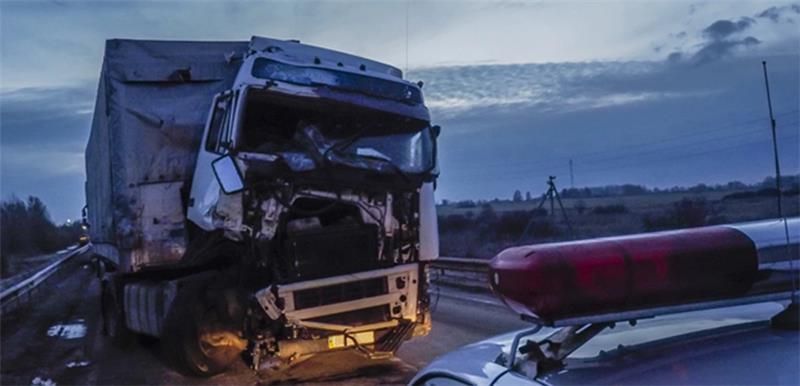
Commercial trucking plays a vital role in transporting goods across Alabama and the United States. However, when safety regulations are ignored or drivers operate under dangerous conditions, the results can be catastrophic.
Large commercial trucks can weigh up to 80,000 pounds when fully loaded, making accidents involving these vehicles especially severe. When crashes occur due to negligence, they often lead to life-altering injuries or tragic fatalities.
In many fatal truck accident cases, investigations reveal issues such as driver fatigue, impaired driving, or violations of federal trucking regulations.
Understanding how these factors contribute to accidents can help families recognize when legal accountability may be necessary.
The Dangers of Driver Fatigue
Driver fatigue is one of the most serious risks in the trucking industry.
Long hours on the road can lead to reduced concentration, slower reaction times, and impaired decision-making. When drivers push beyond safe limits, they may struggle to stay alert behind the wheel.
Fatigue can affect driving performance in ways similar to alcohol impairment, increasing the likelihood of serious crashes.
Federal Hours-of-Service Regulations
To reduce fatigue-related accidents, federal law establishes Hours-of-Service regulations for commercial drivers.
These rules limit how long drivers can operate their vehicles without taking required rest breaks.
Drivers must follow strict guidelines regarding:
- Maximum driving hours per day
- Required rest periods
- Weekly driving limits
Violating these regulations can create dangerous conditions for both truck drivers and other motorists on the road.
Electronic Logging Devices and Truck Data
Modern commercial trucks often include electronic logging devices (ELDs) that track driver activity.
These devices record:
- Driving hours
- Rest periods
- Vehicle movement
- Engine activity
ELD data can help investigators determine whether drivers followed federal safety rules.
In accident investigations, these records may provide valuable insight into driver behavior leading up to the crash.
Trucking Company Responsibility
While driver error may play a role in some accidents, trucking companies may also share responsibility when unsafe policies or practices contribute to a crash.
Examples of company negligence may include:
- Pressuring drivers to meet unrealistic delivery schedules
- Failing to enforce safety regulations
- Neglecting vehicle maintenance
- Hiring drivers with poor safety records
When companies prioritize speed or profits over safety, the risk of serious accidents increases.
Investigating Fatal Truck Accidents
Truck accident investigations are often complex because multiple factors may contribute to the crash.
Investigators may review:
- Driver logs and ELD data
- Maintenance and inspection records
- Toxicology reports
- Witness statements
- Accident reconstruction evidence
These details help determine whether negligence played a role in the accident.
Wrongful Death Claims in Truck Accident Cases
When a fatal crash occurs due to negligence, surviving family members may pursue a wrongful death claim.
These claims focus on holding responsible parties accountable for unsafe conduct that led to the loss of life.
Potential defendants in truck accident cases may include:
- The truck driver
- The trucking company
- Maintenance contractors
- Equipment manufacturers
Identifying all responsible parties is an important part of the legal process.
Final Thoughts
Fatal truck accidents are among the most devastating incidents on Alabama’s roadways. When driver fatigue, safety violations, or company negligence contribute to these tragedies, understanding the legal process can help families seek accountability.
Investigations into trucking accidents often reveal critical information about driver behavior, company policies, and regulatory compliance.
By examining these factors carefully, the legal system can help ensure that those responsible for unsafe practices are held accountable and that similar tragedies may be prevented in the future.
The information you obtain at this site is not, nor is it intended to be, legal advice. You should consult an attorney for advice regarding your individual situation. We invite you to contact us and welcome your calls, letters and electronic mail. Contacting us does not create an attorney-client relationship. Please do not send any confidential information to us until such time as an attorney-client relationship has been established. These recoveries and testimonials are not an indication of future results. Every case is different, and regardless of what friends, family, or other individuals may say about what a case is worth, each case must be evaluated on its own facts and circumstances as they apply to the law. The valuation of a case depends on the facts, the injuries, the jurisdiction, the venue, the witnesses, the parties, and the testimony, among other factors.
With offices located in downtown Montgomery, The Law Office of Richard F. Matthews, Jr., serves Montgomery County, Pike County, Elmore County, Autauga County, the River Region of Alabama and throughout the State of Alabama, including Montgomery, Troy, Wetumpka, Prattville, Selma and Tuskegee. No attorney-client relationship is established by requesting a consultation or emailing Attorney Richard F. Matthews, Jr.. Information submitted in such communication is not privileged and may be subject to disclosure.