Injured in an Industrial or Construction Accident in Macon County, Alabama? Know Your Legal Options
A serious workplace injury may open more than one path to compensation

Industrial and construction sites carry some of the highest injury risks of any workplace. Heavy machinery, elevated work, exposed wiring, scaffolding, forklifts, and constantly changing site conditions all combine to create real danger for the people who work there every day. When something goes wrong on one of these job sites in Tuskegee, Shorter, Notasulga, or elsewhere in Macon County, the injuries that result are often serious — and the legal questions that follow are rarely as simple as "file a workers' comp claim and move on."
Understanding industrial construction accidents with personal injury Macon County Alabama requires looking closely at the specific circumstances of how the injury happened, because Alabama law may provide more than one path toward recovering compensation, depending on who was involved and what caused the accident.
Why Workplace Injuries in Macon County Deserve Careful Legal Review
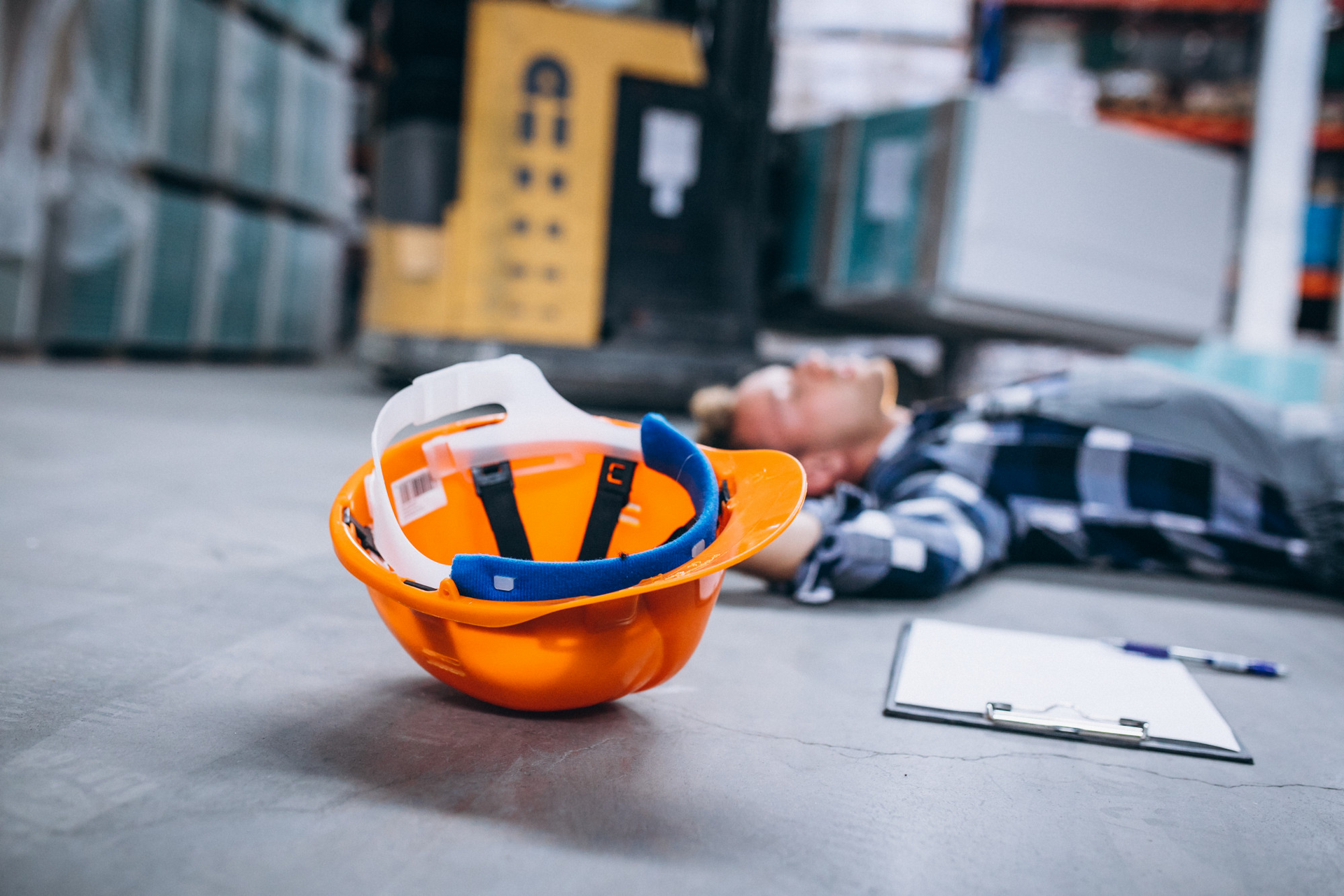
Macon County's mix of industrial, manufacturing, and construction activity means workplace accidents here can take many forms — falls from height, equipment malfunctions, electrocutions, being struck by machinery or vehicles, trench collapses, and more. Regardless of the specific incident, an injured worker's first instinct is often to assume that a workers' compensation claim is the only available option.
In many cases, workers' compensation is indeed the primary avenue for benefits after a job-related injury. But treating it as the automatic and only source of recovery can mean leaving significant compensation on the table, particularly when a party other than the direct employer contributed to the accident.
Workers' Compensation: What It Covers, and Where It Falls Short
Alabama's workers' compensation system is designed to provide injured employees with medical treatment and partial wage replacement without requiring proof of fault. This no-fault structure is meant to provide faster, more predictable relief than a traditional injury lawsuit.
However, workers' compensation benefits come with real limitations:
- They typically cover only a portion of lost wages, not full income replacement
- They generally do not include compensation for pain and suffering
- Benefits are capped according to state schedules, regardless of how severe or long-lasting the injury turns out to be
For workers with serious, life-altering injuries — a permanent disability, extensive surgeries, or an inability to return to the same type of work — the gap between what workers' compensation provides and what the injury actually costs can be substantial.
When a Third-Party Claim May Also Apply
This is where understanding the full circumstances of an accident becomes critical. While an employee typically cannot sue their own employer outside the workers' compensation system, a separate legal claim may be available against a third party whose negligence contributed to the accident — someone other than the direct employer.
Common third-party scenarios on industrial and construction sites include:
- Equipment and machinery defects. If a piece of equipment malfunctioned due to a design flaw or manufacturing defect, the manufacturer may bear responsibility.
- General contractor or subcontractor negligence. On multi-employer construction sites, a general contractor or a different subcontractor's crew may have created a hazardous condition that caused the injury, separate from the injured worker's own employer.
- Property owner negligence. If the accident occurred on a job site controlled by a property owner who failed to address a known hazard, that owner could potentially be held liable.
- Negligent maintenance or inspection by an outside company. When equipment maintenance is outsourced to a third-party company, failures in that maintenance can create separate liability.
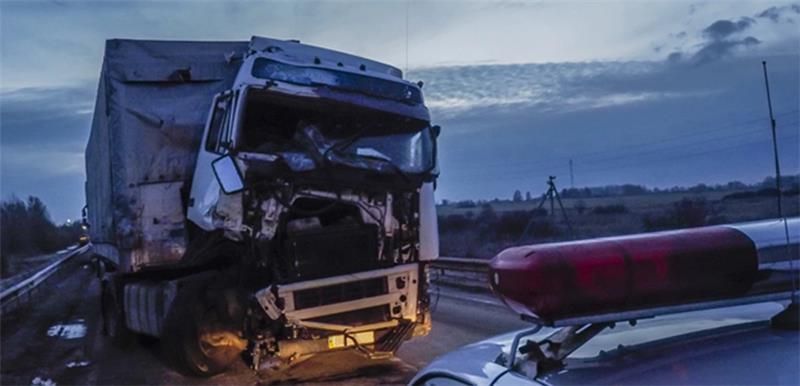
- Motor vehicle involvement. Accidents involving delivery trucks, subcontractor vehicles, or other vehicles on or near a job site may open the door to a standard personal injury claim.
Unlike workers' compensation, a successful third-party claim can include compensation for pain and suffering, full lost wages, and other damages not available through the workers' comp system — meaning both types of claims may be pursued simultaneously in the right circumstances.
Why the Details of the Accident Matter So Much
Because the availability of a third-party claim depends entirely on the specific facts of how an accident happened, a careful, early investigation matters. Important details include:
- Exactly which company or individual was operating or maintaining any equipment involved
- Whether the injured worker was an employee of the general contractor, a subcontractor, or a staffing agency
- Site safety records and any prior complaints or citations related to the hazard involved
- Whether OSHA or another regulatory body investigated the incident
- Witness accounts and any available video or photo documentation from the scene
Evidence like this can degrade or disappear quickly — equipment gets repaired or replaced, witnesses' memories fade, and site conditions change. This makes prompt legal guidance especially valuable after a serious industrial or construction accident.
What Workers and Families Across Macon County Should Know
For workers and families in Tuskegee, Shorter, Notasulga, and throughout Macon County, the most important takeaway is this: a serious workplace injury is rarely a simple, single-path situation. Filing a workers' compensation claim is often an essential first step, but it shouldn't be assumed to be the full extent of what's available.
Understanding whether a third party's negligence played a role — a contractor, an equipment manufacturer, a property owner, or another outside company — can make a meaningful difference in the total compensation an injured worker and their family are able to recover. Because these determinations depend heavily on the specific facts of the accident, an early, thorough review of the circumstances is one of the most valuable steps an injured worker can take.
Moving Forward After a Workplace Accident
If you or a family member has been seriously injured in an industrial or
construction accident anywhere in Macon County, taking time to understand every potential source of recovery — not just the most obvious one — can significantly affect your financial and medical recovery in the months and years ahead. Given how quickly evidence can be lost and how complex multi-party job sites can be, getting informed about your options as early as possible is one of the most important steps you can take after a serious workplace injury.
The information you obtain at this site is not, nor is it intended to be, legal advice. You should consult an attorney for advice regarding your individual situation. We invite you to contact us and welcome your calls, letters and electronic mail. Contacting us does not create an attorney-client relationship. Please do not send any confidential information to us until such time as an attorney-client relationship has been established. These recoveries and testimonials are not an indication of future results. Every case is different, and regardless of what friends, family, or other individuals may say about what a case is worth, each case must be evaluated on its own facts and circumstances as they apply to the law. The valuation of a case depends on the facts, the injuries, the jurisdiction, the venue, the witnesses, the parties, and the testimony, among other factors.
With offices located in downtown Montgomery, The Law Office of Richard F. Matthews, Jr., serves Montgomery County, Pike County, Elmore County, Autauga County, the River Region of Alabama and throughout the State of Alabama, including Montgomery, Troy, Wetumpka, Prattville, Selma and Tuskegee. No attorney-client relationship is established by requesting a consultation or emailing Attorney Richard F. Matthews, Jr.. Information submitted in such communication is not privileged and may be subject to disclosure.