The Impact of Weather & Speeding on Montgomery Traffic Accidents
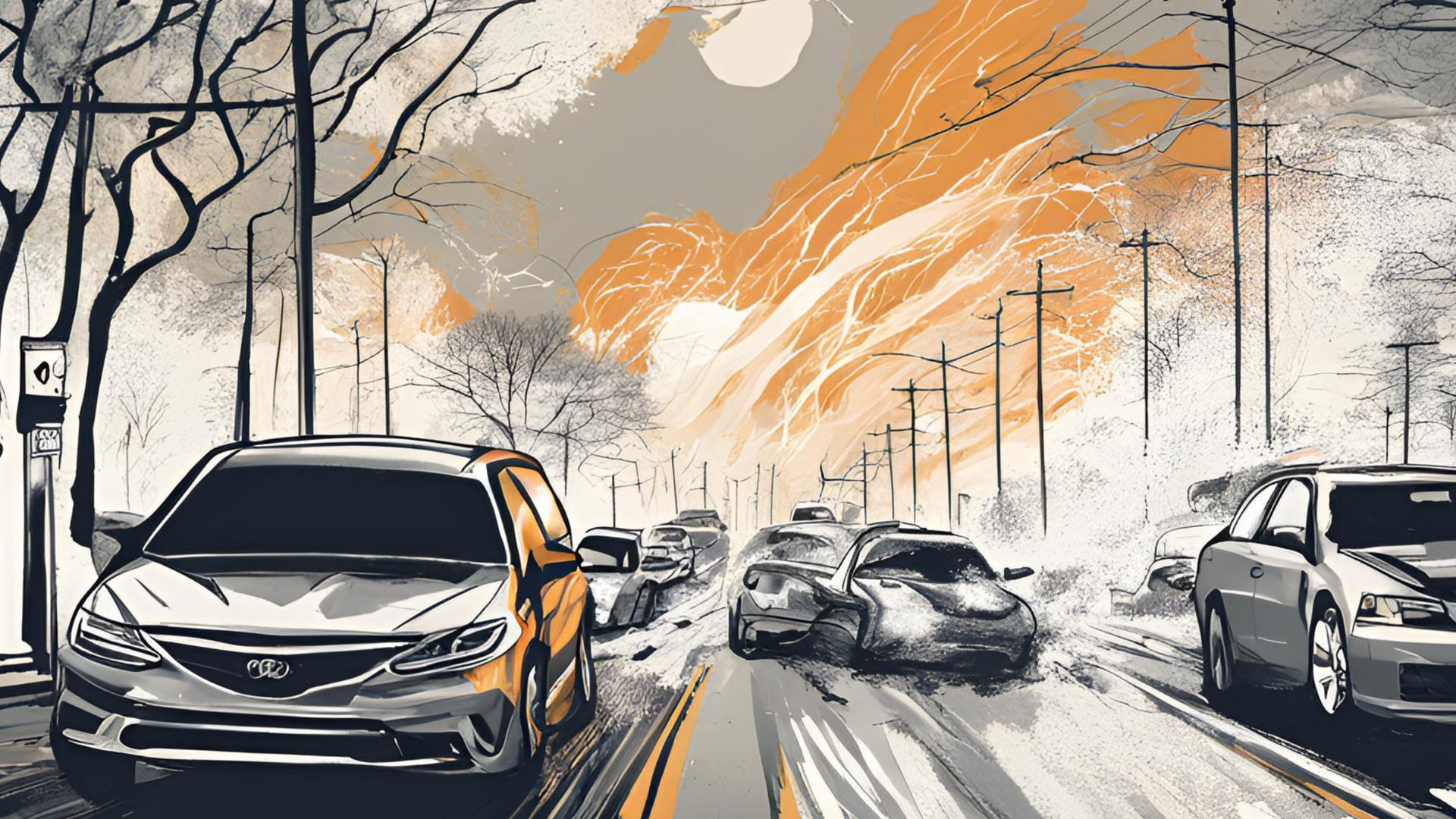
Speed affects a vehicle’s stopping distance and impact force in any collision. Going 70 mph instead of the 55-mph limit increases your stopping distance by almost 100 feet. That’s a significant shift on Montgomery’s busy streets, where unexpected obstacles or sudden traffic changes require quick reactions. Further, when the weather gets bad, including rain or fog, speeding becomes even more dangerous.
You may have an injury claim if you’ve been injured in a traffic accident by a speeding driver in adverse weather. Speak to a Montgomery car accident lawyer about your rights today.
How Speed Leads to Catastrophes
The physics of speeding accidents is simple but often ignored. The kinetic energy of a moving vehicle increases exponentially with speed, not linearly. So a car going 60 mph doesn’t just have twice the impact of one going 30 mph. It has four times the destructive power. This exponential increase in force can turn what would have been a minor fender bender into a substantial wreck.
For example, if you’re traveling on I-85, the faster you go, the more disproportionate the energy behind your vehicle. In a high-speed wreck, a vehicle structure can’t withstand the increased stress, causing safety belts and airbags to lose effectiveness, and vehicles to crumple.
Statutory speed limits in Alabama are:
- 70 mph on interstates
- 65 mph on roads with at least four lanes
- 55 mph on other roadways
- 45 mph on county roads
There can be exceptions to the statutory limits, so stay aware of signs and always keep speed limits in mind when you’re traveling.
Weather’s Impact on Road Safety
Montgomery’s weather is harsh on drivers. The city gets a lot of rain throughout the year, and sudden thunderstorms are common during summer. When the rain first starts to fall, it mixes with oil and other substances on the road surface, creating a slick condition that reduces tire traction.
Fog is also a big problem in Montgomery, especially in the early morning. The Alabama River’s humidity and temperature changes can create thick fog banks that limit visibility. Under these conditions, the safe following distance between vehicles should increase, but many drivers maintain their usual following distance and create hazardous situations.
Speed and Weather - A Deadly Combination
When speed meets bad weather, risks multiply. A car going fast in heavy rain faces threefold challenges:
- Reduced traction
- Poor visibility
- Increased stopping distance
The margin for error disappears. A sudden need to brake in wet conditions while going fast can cause hydroplaning, where the tires lose contact with the road surface altogether, and steering is ineffective.
The Science of Stopping in Bad Weather
Again, understanding stopping distance helps us understand why speed and weather are such deadly combinations. Total stopping distance is made up of three parts:
- Perception time (the time it takes to see a hazard)
- Reaction time (the time it takes to move the foot to brake)
- Braking distance (the distance it takes for the brakes to stop the vehicle)
Consider this common scenario on Montgomery’s streets: A driver going 10 mph over the limit encounters a sudden rain storm. The reduced visibility means they see a stopped car ahead later than usual. Wet roads reduce tire traction by 30%. Excessive speed creates the perfect storm of conditions, making an accident much more likely.
Contact Attorney Matt Mathews Today
Have you been involved in a high-speed crash where the other party was negligent? If so, you should speak to a skilled Montgomery car accident lawyer. They can evaluate your rights to seek compensation for medical bills and other losses.
Contact attorney Matt Matthews for more information. Consultations are always free.
The information you obtain at this site is not, nor is it intended to be, legal advice. You should consult an attorney for advice regarding your individual situation. We invite you to contact us and welcome your calls, letters and electronic mail. Contacting us does not create an attorney-client relationship. Please do not send any confidential information to us until such time as an attorney-client relationship has been established. These recoveries and testimonials are not an indication of future results. Every case is different, and regardless of what friends, family, or other individuals may say about what a case is worth, each case must be evaluated on its own facts and circumstances as they apply to the law. The valuation of a case depends on the facts, the injuries, the jurisdiction, the venue, the witnesses, the parties, and the testimony, among other factors.
With offices located in downtown Montgomery, The Law Office of Richard F. Matthews, Jr., serves Montgomery County, Pike County, Elmore County, Autauga County, the River Region of Alabama and throughout the State of Alabama, including Montgomery, Troy, Wetumpka, Prattville, Selma and Tuskegee. No attorney-client relationship is established by requesting a consultation or emailing Attorney Richard F. Matthews, Jr.. Information submitted in such communication is not privileged and may be subject to disclosure.